
The new Tredo service for interactive 3D maps
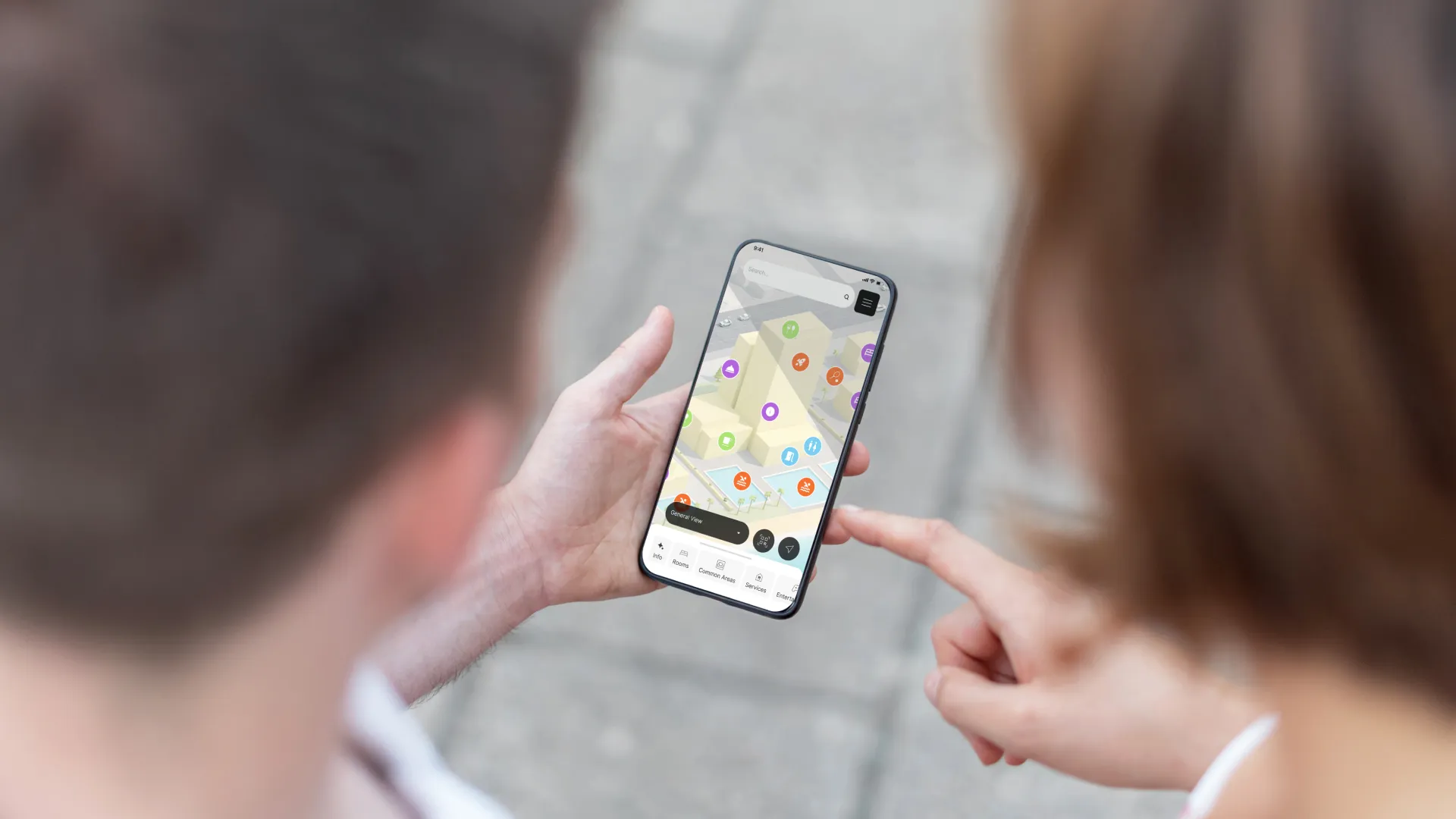
Mapdo is an interactive 3D mapping service that transforms a technical floor plan into a navigable digital space.
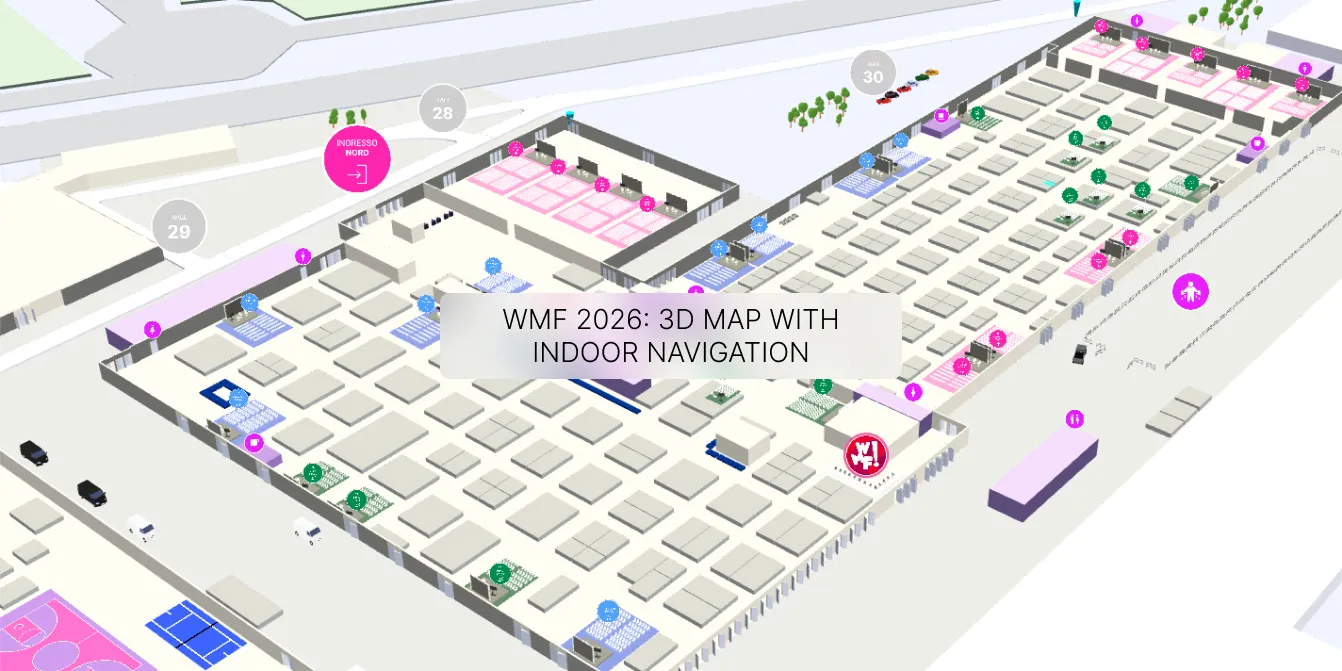
It was born from a concrete project developed in collaboration with organizations such as Search On Media Group during We Make Future (WMF), where the main challenge was to make complex spaces understandable and manageable, with thousands of people, exhibitors, and content distributed across multiple areas.
From this need, our service was created: a tool designed to make physical spaces more understandable, accessible, and usable.
The Mapdo offering
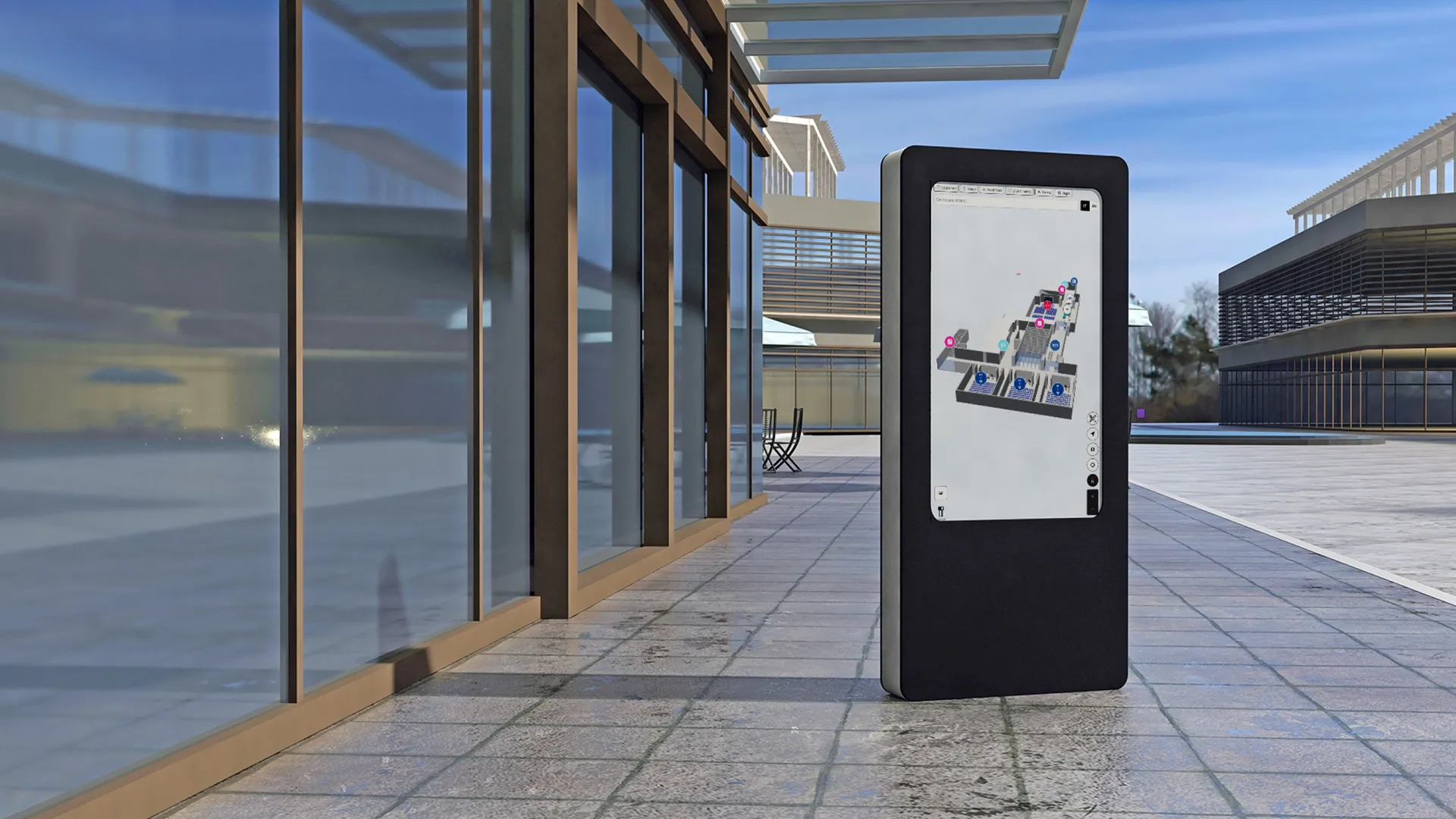
Mapdo allows you to transform a floor plan into an interactive 3D map usable via web, app, or dedicated devices.
The goal is to make the space navigable and connected to digital content that can be updated in real time.
Each element of the map can be enriched with information and content: points of interest, booths, services, activities, or brands.
The system adapts to two main usage modes:
Designed for fairs, festivals, and temporary events. They support visitor orientation, flow management, and exhibitor and sponsor visibility throughout the event.
Designed for permanent spaces such as airports, shopping centers, hotels, and complex facilities. The map becomes a continuously active digital infrastructure integrated into the location’s systems.
How it works
Interactive 3D maps are developed in three stages.
It starts with analyzing the location’s floor plan, in CAD or technical format, to reconstruct the space in a structured way. Levels, areas, access points, and points of interest are defined, creating a model consistent with the physical reality.
Next, the space is digitally enriched. Elements such as booths, stores, brands, and services are connected to the map and made interactive. Management takes place through the Mapdo platform or API integration, enabling real-time updates.
Finally, the map is published online. No installation is required, and it can be accessed directly from a browser. Users can navigate the space and interact with content in a simple way.
During usage, the system collects interaction data. This information is used to analyze user behavior and improve routes, content, and overall experience.
Why Mapdo is a business driver
Mapdo was created to solve an operational problem: making complex spaces readable.
For users, it means finding what they are looking for faster and moving around without difficulty. For space managers, it means reducing support requests and improving flow management.
However, the value goes beyond orientation.
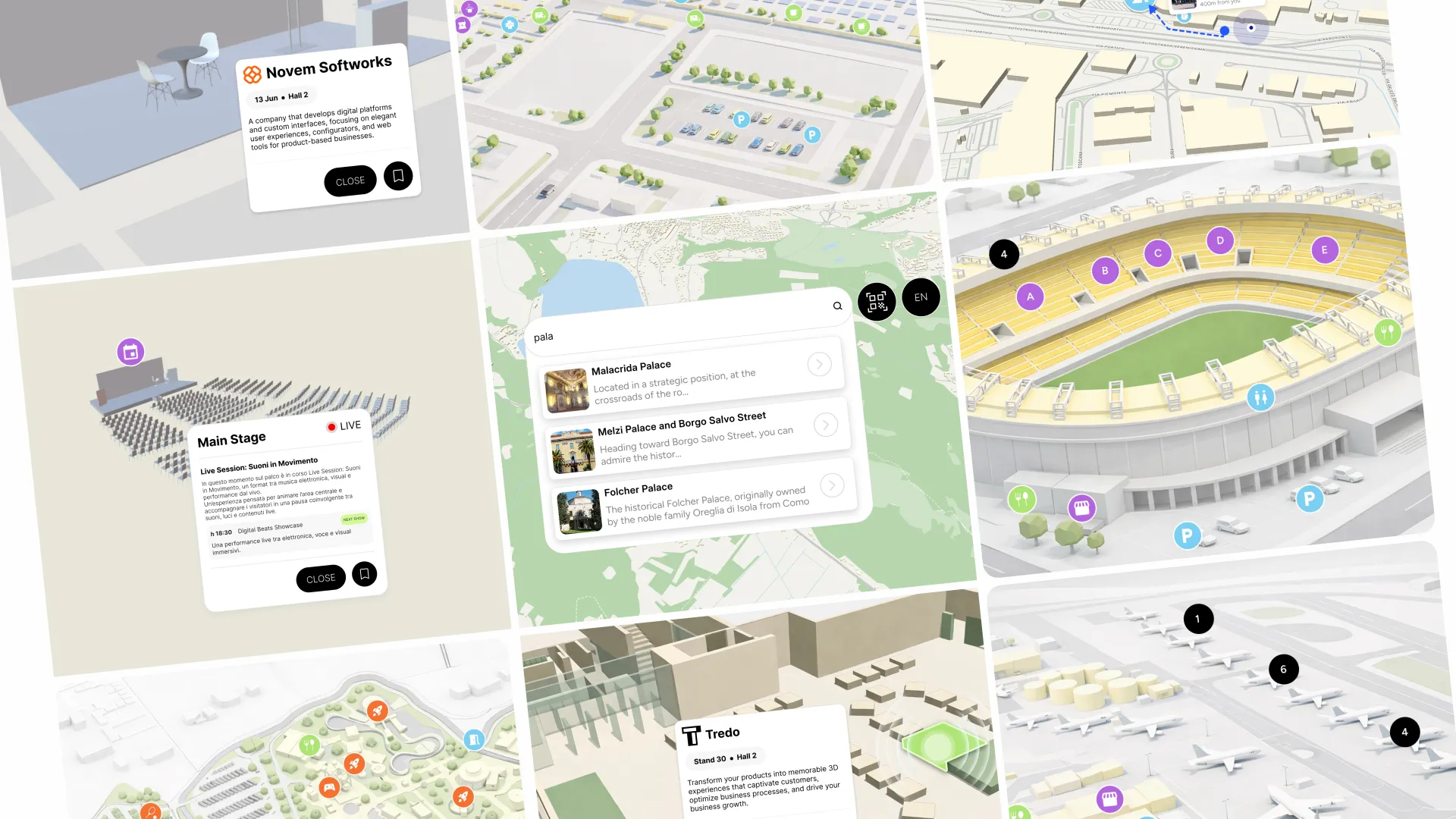
Every element of the map can become an active digital space. Products, environments, and services can be displayed in 3D, explored, and enriched with interactive content.
In addition, it is possible to integrate 3D configurators and 3D viewers that allow users to customize products or spaces in real time, changing variables such as materials, colors, and configurations up to booking or purchase.
In this way, the map becomes a direct gateway between discovery, interaction, and conversion.
Turn spaces into interactive 3D maps!
It is a tool designed to improve orientation, space management, and the enhancement of content and activities, both in temporary events and permanent structures.
The goal is to make spaces functional and usable, and to open the way to new business opportunities.
Mapdo was created within the Cosmo ecosystem, the creative and digital agency behind Tredo projects, which combines development, design, and experimentation to transform technological tools into concrete experiences applicable in real-world contexts.