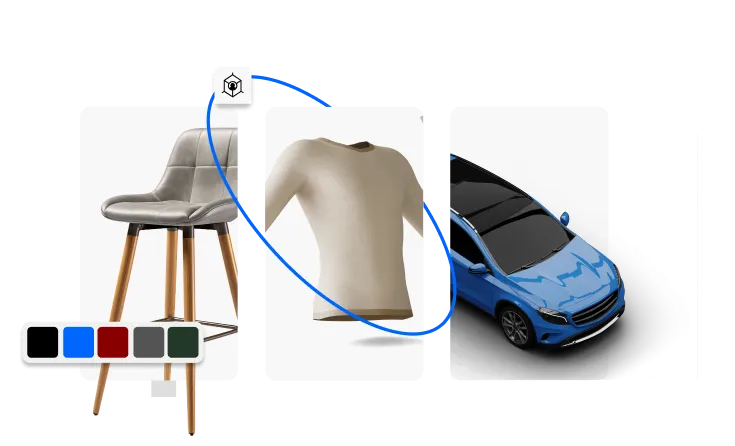

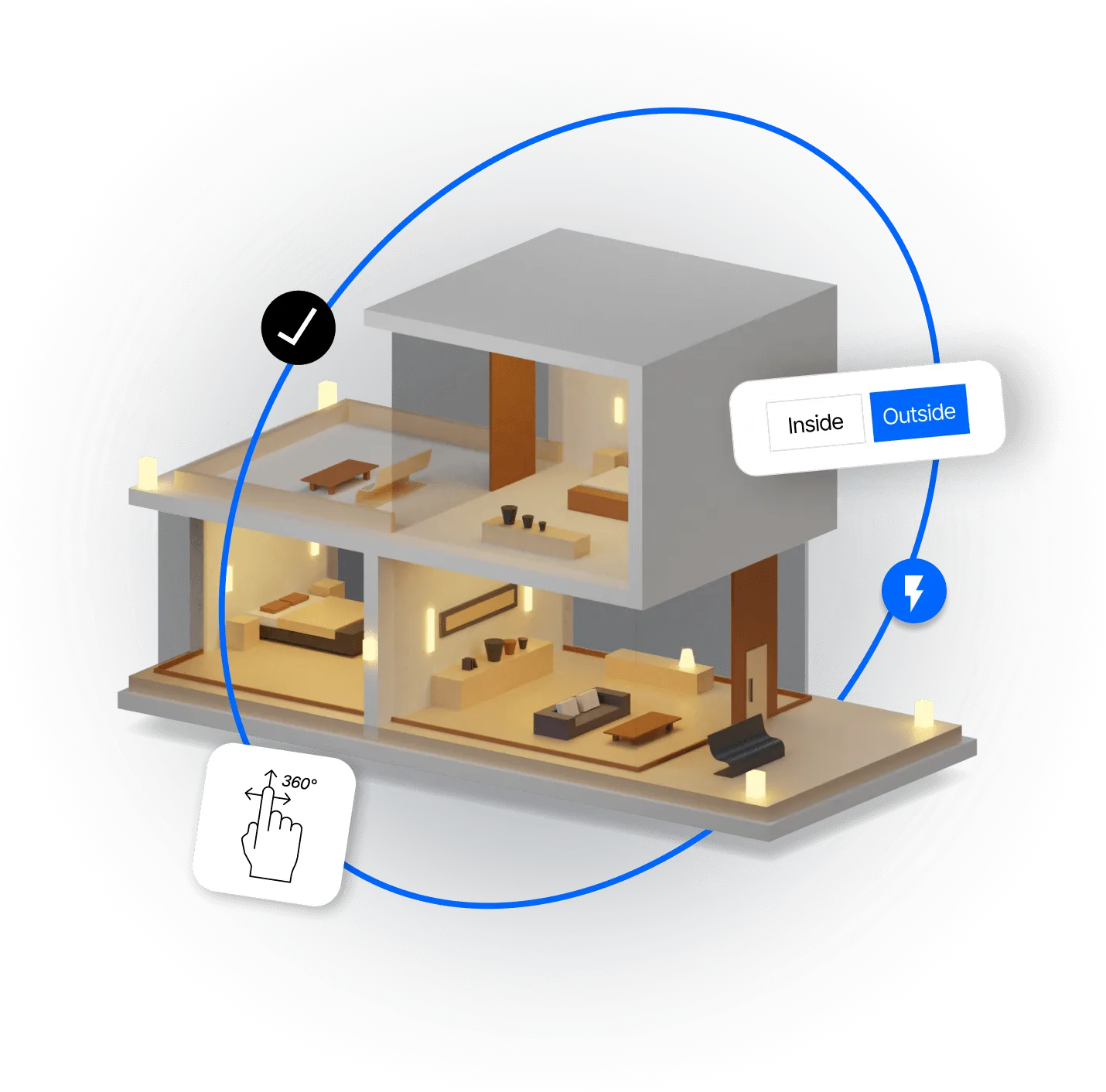
In the field of architecture, 3D configurators represent a groundbreaking tool that transforms the way architects, designers, and clients interact with architectural projects.
This dialogue helps clients make informed decisions and feel more involved in the design process, increasing their satisfaction and reducing the risk of misunderstandings or costly changes in later project stages.
For architects, 3D configurators are a valuable tool for quickly exploring different design solutions and evaluating the impact of specific material or structural choices on the final appearance and functionality of a building. This flexibility fosters creativity and innovation, allowing professionals to go beyond the limitations of traditional static renderings or physical models.
Moreover, the use of 3D configurators facilitates collaboration among all stakeholders involved in a construction project, including engineers, consultants, and contractors, enabling them to visualize and discuss the project in an easily accessible and editable format. This helps identify and resolve potential issues before construction begins, optimizing timelines and costs.
In the broader context of urban planning and territorial development, 3D configurators also make it possible to assess how new buildings or interventions will integrate into the existing environment, supporting more effective planning of the interaction between private and public spaces, urban mobility, and environmental impact.