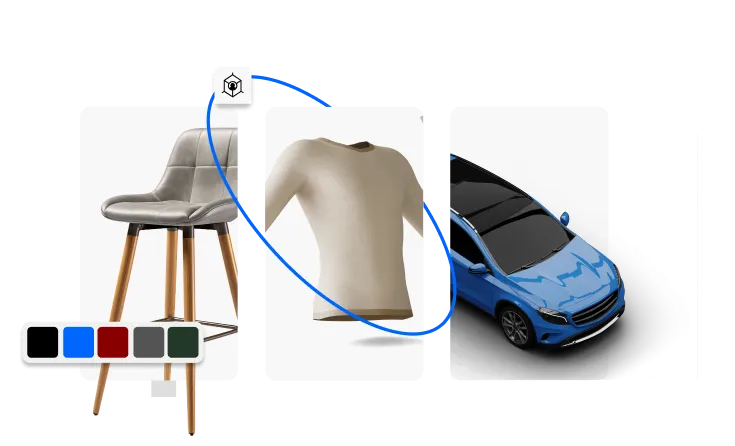

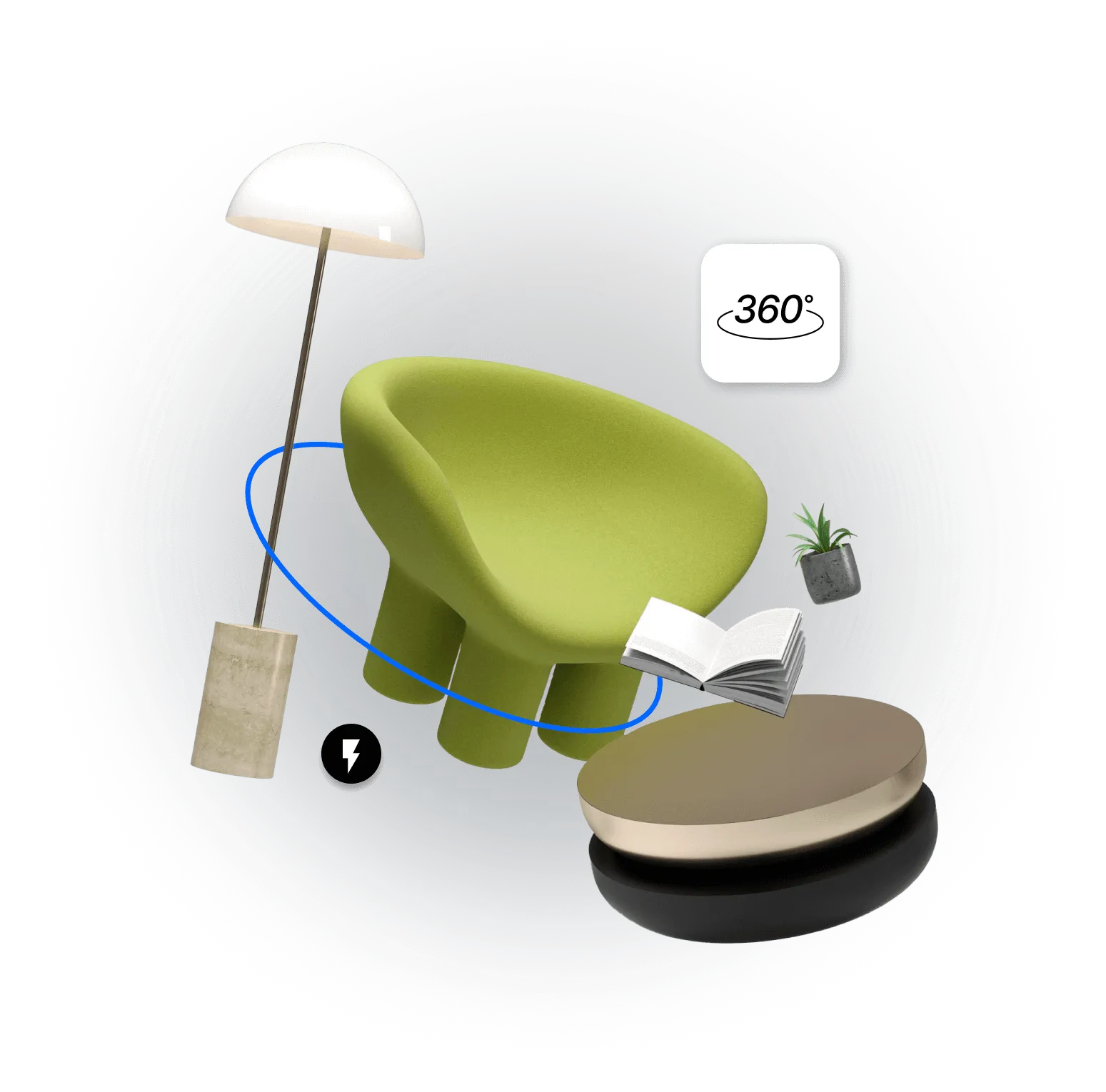
The furniture sector, characterized by a wide variety of styles, materials, and designs, is particularly well suited to the use of 3D configurators—tools that are revolutionizing the way consumers choose and purchase furniture and home accessories.
These configurators provide an interactive and immersive experience, allowing customers to visualize how different pieces of furniture will fit into their living spaces.
Moreover, this technology enables consumers to view products in various contexts, adjusting lighting and positioning to see how the appearance of the furniture changes under different lighting conditions or in different areas of a room. This capability significantly reduces the risk of post-purchase dissatisfaction, as customers gain a clear understanding of how the item will integrate into their home environment.
For furniture retailers and manufacturers, 3D configurators are a valuable tool for showcasing the full range of available options, including those that may not be physically displayed in showrooms due to space limitations. In addition, the use of this technology can increase customer engagement, encourage social media sharing, and ultimately drive faster and more satisfying purchasing decisions.
In summary, the adoption of 3D configurators in the furniture sector significantly enhances the shopping experience, enabling detailed customization and providing customers with an accurate preview of how furniture and accessories will fit into and enrich their spaces.